How to Import Sanitary Ware from China: A Step-by-Step Sourcing Guide 2026
Your Complete Playbook: How to Import Bathroom Fixtures & Sanitary Ware from China Step-by-Step
If you’re reading this, you’ve likely heard the buzz: China is the undisputed manufacturing engine for the global bathroom and sanitary ware industry. From the sleek, smart toilet in a luxury hotel to the durable faucet in a suburban home renovation, the odds are high it has a connection to China. But moving from the idea of “buying from China” to actually receiving a container of high-quality, compliant, and profitable goods at your warehouse can feel like navigating a maze.
Between finding a trustworthy supplier, ensuring quality, navigating logistics, and understanding import regulations, the process is fraught with potential pitfalls. As a professional sourcing agent embedded in Foshan, the heart of this industry, my team and I guide businesses through this maze every single day. We’ve seen the mistakes first-time importers make and the strategies that seasoned pros use to thrive.
Why Source Sanitary Ware from China? The Unbeatable Value Proposition
Before diving into the “how,” let’s solidify the “why.” For most businesses, the decision boils down to three core advantages that are almost impossible to match elsewhere:
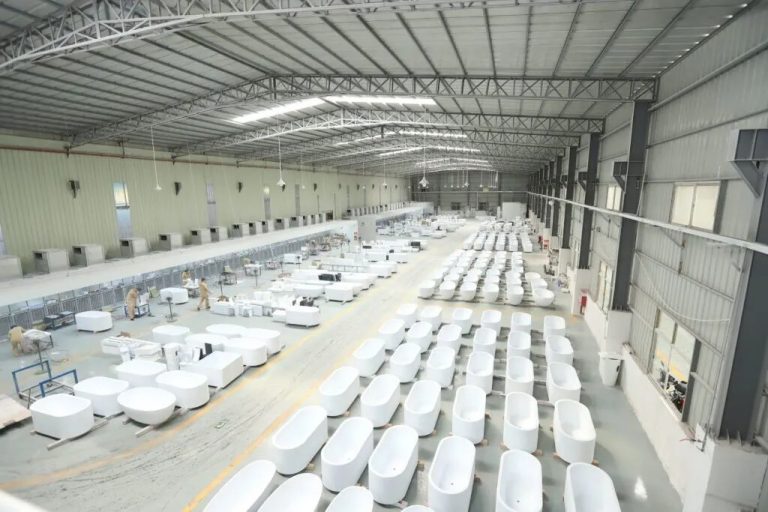
- Unrivaled Scale & Concentration:China’s manufacturing clusters create an ecosystem of efficiency. In cities like Foshan, you have thousands of factories, component suppliers, and logistics providers within a few square miles. This density drives down costs, fosters intense competition (in your favor), and creates a one-stop-shop environment for everything from ceramic basins to brass valves.
- Cost-Effectiveness & Price Flexibility:The sheer volume of production leads to significant economies of scale. More importantly, China’s market offers a spectrum of quality at corresponding price points. You can find cost-conscious solutions for budget projects and high-end, design-forward pieces that compete with European brands, all while maintaining a healthy margin.
- Manufacturing Agility & Complete Supply Chain:Need a custom finish? A modified design? A specific packaging requirement? Chinese factories, particularly those experienced with exports, are built for customization and flexibility. The integrated supply chain means materials are readily available, speeding up prototyping and production times compared to markets where components are sourced globally.
In short, sourcing from China isn’t just about cheap prices; it’s about accessing maximum choice, specialized capability, and supply chain resilience.
Step 1: The Foundation – Research & Preparation Before You Contact a Single Supplier
Jumping in without a plan is the fastest way to lose time and money. Treat this like a military campaign where intelligence is key.
- Define Your Niche & Product Specs:Are you targeting the luxury bathroom remodel market or the high-volume new construction sector? Get hyper-specific. Create detailed product specification sheets including dimensions, materials (e.g., “grade 304 stainless steel,” “59A brass”), finishes, packaging, and any applicable safety or performance standards (like UPC, CE, or AS/NZS).
- Understand Your Costs Holistically:The factory’s quoted price (usually EXW or FOB) is just the start. You must budget for: Shipping (ocean freight), import duties and tariffs, insurance, port fees, customs broker fees, and inland transportation. A $10 FOB unit can easily become a $22Landed Cost per unit.
- Know Your Market’s Regulations:This is non-negotiable. Different countries have mandatory requirements for plumbing products. We’ll dive deeper into this in Section 5, but start researching now. Non-compliant goods can be rejected at your port, destroying your investment.
Step 2: Know the Terrain – China’s Sanitary Ware Manufacturing Powerhouses
You don’t just source “from China”; you source from specific industrial clusters. Knowing where to go is half the battle.
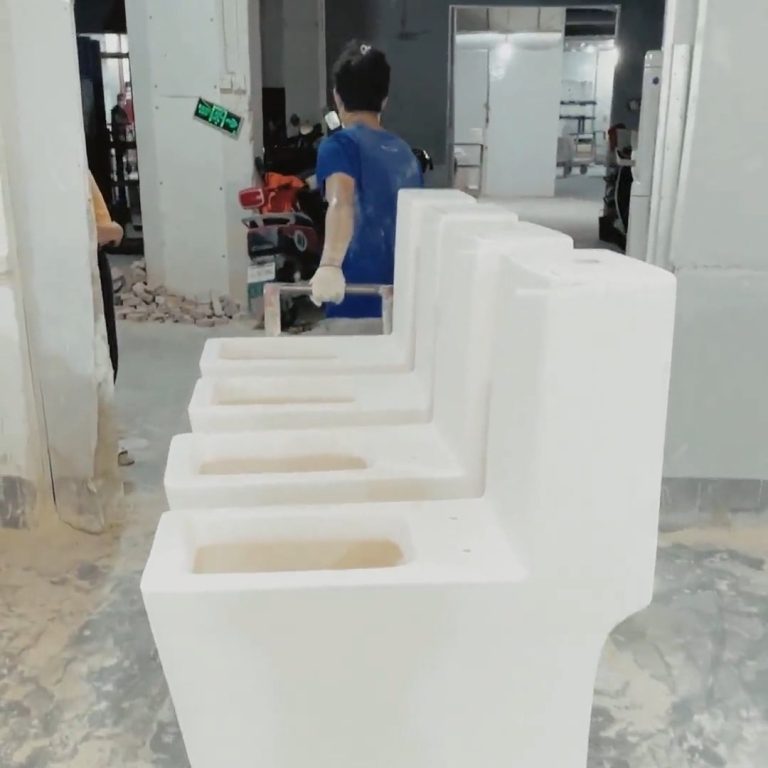
- Foshan (The Ceramics & Complete Bathroom Capital):This is the global epicenter. Foshan is synonymous with ceramic sanitary ware (toilets, basins, urinals) and boasts a complete ecosystem for faucets, shower systems, bathroom cabinets, and accessories. Markets like Foshan China Ceramics City and Yimeijia Bathroom World are must-visits. If you need a full bathroom suite, Foshan is your first and primary stop.
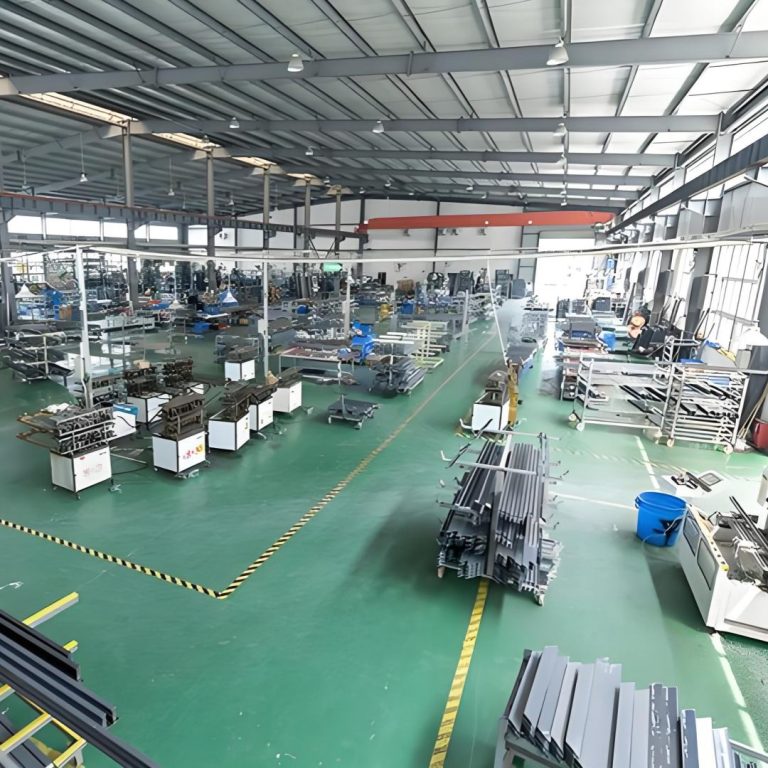
- Kaiping (The Faucet & Hardware Specialist):Located about an hour from Foshan, Kaiping is globally famous for its faucet manufacturing. The city specializes in brass casting, machining, plating, and assembly. For high-volume, quality-focused faucet, shower head, and valve sourcing, Kaiping’s factories are unparalleled. Think of it as the specialist for the “plumbing hardware” part of the equation.
- Zhongshan (Lighting & Emerging Hardware Hub):While famous for lighting, Zhongshan has a growing and competitive sanitary hardware sector, particularly for modern, design-focused faucets and bathroom accessories. It often offers a compelling blend of price and innovation.
Pro-Tip: A successful sourcing trip often involves hitting all three regions. Start with the broad overview in Foshan, then drill down into faucet specialization in Kaiping, and explore complementary lighting in Zhongsh
Tips for Sourcing Success: The On-the-Ground Playbook
This is the core wisdom gained from thousands of container shipments.
Pre-Select with Online Research, But Trust Physical Verification
Use B2B platforms like Made-in-China or Alibaba to create a longlist of suppliers. Scrutinize their product photos, claimed certifications, and years in business. However, consider this only as a filtering step. A polished online storefront does not equal a reliable factory. Your goal is to identify 10-15 potential targets to visit or audit.
Plan a Focused Trip, Not a Tourist Vacation
If visiting China, structure your time like a business operator. Dedicate full days to specific product categories. Schedule appointments in advance. Allocate time for both large showrooms (to see trends) and factory visits (to verify capability). A typical effective trip for sanitary ware is 5-7 business days, split between Foshan and Kaiping.
Verify Capabilities & Quality Relentlessly
Never skip the factory tour. Look beyond the showroom. Is the facility organized? Are they doing their own casting and plating, or just assembly? Ask to see raw material certificates and testing equipment. Always, always get signed samples (Golden Samples) before production begins. These are your binding quality benchmark.
Negotiate Smartly – It’s a Partnership, Not a War
Understand that the initial quote has built-in negotiation room, but pushing too hard on price can lead to corner-cutting on materials. Instead, negotiate on terms: better payment schedules (e.g., 30% deposit, 70% against Bill of Lading copy), longer warranty, or included spare parts. Show you are a serious, long-term partner, not a one-off bargain hunter.
Master Logistics & Compliance Early
Decide on Incoterms early (FOB is most common for beginners). Partner with a recommended freight forwarder who understands your product and destination. Ensure all required documentation is precise: Commercial Invoice, Packing List, Bill of Lading, and most importantly, the Certificate of Compliance or test reports matching your market’s standards. Don’t leave this to the last minute.
Work With a Genuine Local Sourcing Agent – Your Force Multiplier
This is the single most effective way to de-risk and streamline the entire process. A good local agent (like us) acts as your boots on the ground, your negotiator, your quality controller, and your cultural translator. We vet factories you can’t find online, conduct pre-shipment inspections to catch issues before they sail, manage supplier communication across time zones, and solve problems before you even know they exist. The fee is an investment that saves multiples in avoided mistakes, bad quality, and wasted time.
The Critical Gatekeeper: Understanding Import Certification Requirements
Your goods must meet the legal standards of your destination country. This is not optional. Here’s a primer for key markets:
USA & Canada: Look for the UPC (Uniform Plumbing Code) or cUPC seal. This indicates the product has been tested and certified by an approved body (like IAPMO or CSA) for safety and performance. NSF/ANSI standards are also key for material safety.
European Union & UK: The CE Marking is mandatory, indicating conformity with health, safety, and environmental protection standards. For sanitary ware, this often involves compliance with the Construction Products Regulation (CPR).
Australia & New Zealand: The WaterMark certification scheme is legally required for all plumbing and drainage products. It is a mandatory safety and quality mark.
Other Markets: Many countries in the Middle East (GCC), Asia, and South America have their own systems (like SASO in Saudi Arabia) or often accept CE or UPC as a basis for approval.
The Rule: Always confirm the exact requirement with your local customs broker or regulatory body before placing an order. Your supplier must be able to provide valid test reports from accredited laboratories.
Beyond the Bathroom: Maximizing Your China Sourcing Trip
A trip to the Pearl River Delta (Guangzhou-Foshan-Zhongshan) is a golden opportunity. The same logistical effort can yield a diversified product portfolio.
Lighting Fixtures: Zhongshan is the “Lighting Capital of the World.” Source indoor, outdoor, and smart lighting to complement your bathroom lines.
Hardware & Tools: The region produces everything from door handles and locks to power tools and fasteners.
Kitchen Cabinets & Appliances: Find manufacturers for RTA (Ready-to-Assemble) cabinets, sinks, and range hoods.
Home Decor & Furniture: Explore a vast world of mirrors, artificial plants, furniture, and textiles.
Cut the Complexity. Source Sanitary Ware, Faucets & Bathroom Hardware Direct from China.
Building a successful import pipeline for sanitary ware from China is a detailed but incredibly rewarding endeavor. It combines strategic planning, diligent verification, and smart partnerships. By following this playbook, you move from a hopeful buyer to a confident importer.
Contact Person: Colin
Whatsapp: +8613560427230
Email: beatus.sourcing@gmail.com
Wechat: ColinYeung100