

International Furniture Shipping: Packaging, Customs Clearance, and Import Regulations to Watch Out For
Successfully shipping furniture across borders requires more than simply packing and moving bulky items. Factors such as appropriate packaging, customs regulations, import duties, and logistics planning all play critical roles in ensuring goods arrive safely and on time. Whether you are a furniture manufacturer, interior design firm, or e-commerce seller, understanding these fundamentals helps you minimize costs, avoid delays, and maintain product integrity.

Understanding the Complexity of International Furniture Shipping
Furniture shipping is uniquely challenging because most pieces are heavy, oddly shaped, and can be easily damaged in transit. Additionally, different countries enforce specific import regulations that can complicate the process. Knowing what to anticipate allows businesses to plan effectively and deliver a smoother experience for customers.
Key considerations include:
- How furniture is packaged and labeled.
- Compliance with international shipping standards.
- Customs documentation requirements.
- Country-specific import duties and restrictions.
The Importance of Proper Furniture Packaging
Durable, compliant packaging is the first line of defense against damage. International shipments undergo multiple loading, unloading, and stacking processes, which means packaging must withstand vibration, moisture, and rough handling.
Best practices for packaging furniture:
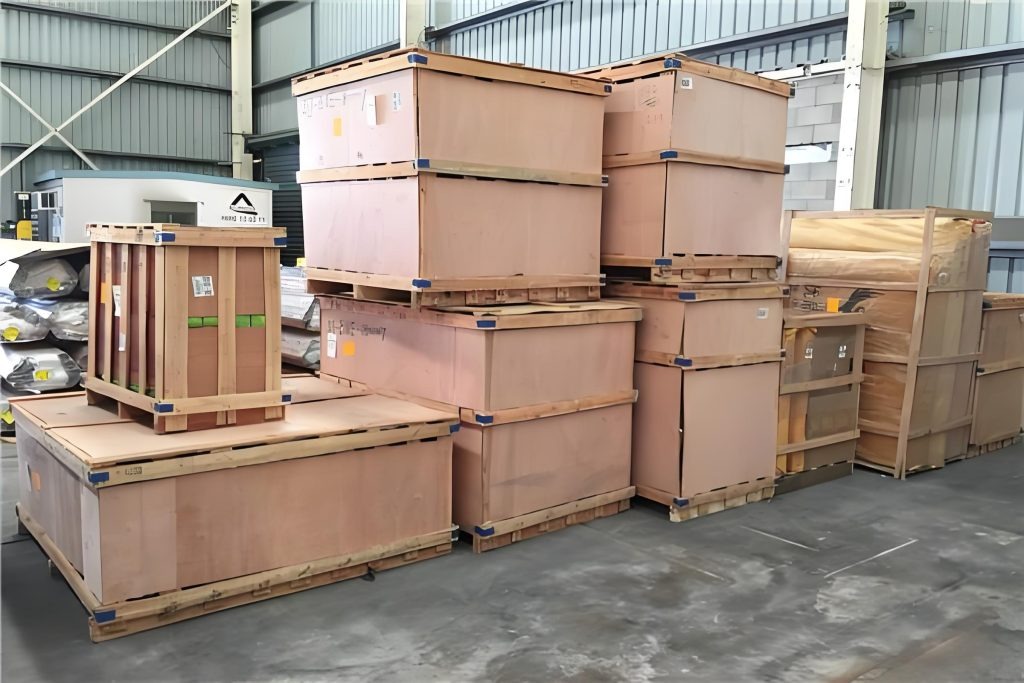
- Use sturdy materials. Rely on reinforced corrugated boxes, edge protectors, and wooden crates for added strength.
- Cushion and fill. Use foam padding, bubble wrap, or air cushions to prevent movement inside crates.
- Disassemble when possible. Disassembling furniture reduces the risk of breakage and cuts down on shipping volume.
- Waterproofing: Apply waterproof coverings or plastic wraps to shield against moisture, especially in ocean freight.
- Consider fumigation and treatment. Wooden packaging material often needs ISPM 15 certification to prevent pest transmission across borders.
Pro Tips
- Custom Crates for Valuable Items: Use custom-built crates for high-value or antique furniture.
- Weight and Dimensions: Be aware of weight limits and size restrictions imposed by carriers to avoid surcharges or delays.
- Documentation of Packaging: Keep detailed records and photographs of your packaging process for insurance claims if needed.
Navigating Customs Clearance
Customs clearance can be one of the trickiest stages of international furniture shipping. Delays often occur due to missing or inaccurate paperwork. To prevent extra fees and storage costs, shippers must prepare and attach the proper documentation before shipping.
Common customs documentation includes:
- Commercial Invoice: Lists the shipper and buyer details, value of goods, and currency.
- Packing List: Details the contents, dimensions, and weight of each package.
- Bill of Lading (B/L): Serves as a transport contract between shipper and carrier.
- Certificate of Origin: Verifies the country where the furniture was manufactured.
- Import Licenses: Required in some countries for specific materials, such as treated wood or leather.
Working with a licensed customs broker or freight forwarder helps simplify these steps and ensures compliance with international trade regulations.
Import Regulations and Restrictions to Watch Out For
Every country enforces distinct import rules for furniture based on material composition, fire safety, sustainability, and consumer protection laws. Failure to comply can lead to fines, product seizure, or denial of entry.
Common regulatory challenges include:
- Wood and Timber Regulations: Countries often have strict rules to prevent the spread of pests. Ensure compliance with ISPM 15 standards for wood packaging.
- Chemical and Finish Regulations: Some finishes, paints, or treatments may be restricted or require certification.
- Labeling and Safety Standards: Furniture must meet safety standards, including labeling for flammability or chemical content.
- Sustainability policies: The EU, for instance, requires compliance with REACH and CE marking for particular furniture products.
- Documentation inspections: Certain items may need fumigation or environmental safety certificates before customs release.

Duties and Taxes
Be prepared for import duties, VAT, or other taxes based on the furniture’s classification and value. Use tariff codes accurately to determine applicable rates.
Choosing the Right Shipping Method
Selecting the most appropriate transportation method depends on the shipment size, urgency, and destination.
Common methods for international furniture transport:
- Ocean Freight: The most cost-efficient for bulky furniture shipments.
- Air Freight: Faster, suitable for high-value or time-sensitive pieces.
- Intermodal Transport: Combines road, rail, and sea freight to balance cost and delivery time.
Insuring shipments against potential loss or damage is strongly recommended for valuable or fragile furniture.
Expert Tips for Smooth International Shipping
- Plan Ahead: Allocate ample time for customs processing, especially during peak seasons.
- Choose Reliable Carriers: Use carriers experienced in furniture shipping and with good global networks.
- Insurance: Insure shipments against damage, loss, or theft.
- Track Your Shipment: Use tracking services to monitor progress and address issues promptly.
- Pre-calculate import duties and taxes using HS codes to avoid budget surprises.
- Ensure all packaging complies with environmental and sanitary regulations of the destination country.
- Maintain clear communication with the freight forwarder for tracking and updates.
- Keep digital copies of all shipping documents for quick reference and dispute resolution.(very important)
Final Thoughts
International furniture shipping may seem intimidating, but with proper planning, packaging, and document preparation, the process becomes manageable and efficient.
Avoid headaches and ensure a smooth process when importing furniture by working with a qualified sourcing agent from the start. Our team, located in Guangzhou and Foshan, has over 15 years of experience managing sourcing operations. Contact us today to learn how we can help you source furniture from China’s Foshan or Dongguan regions.
- Phone: +0086 13560427230
- Email: beatus.sourcing@gmail.com
- WeChat: ColinYeung100
- WhatsApp: +8613560427230